
Foundation problems can be stressful for any homeowner. A small crack, damp basement area, or unexpected water entry may seem minor at first, but these issues can become more expensive if the underlying cause is not identified early.
Before contacting a foundation repair contractor, homeowners can perform a basic assessment to gather important information about what is happening. Understanding the warning signs, documenting the problem, and providing clear details can help professionals recommend the right repair solution faster.
At Above Grade Construction Services (AGCS), we help homeowners identify foundation concerns and determine the most effective repair approach, including foundation crack repair, basement waterproofing, and other foundation solutions.
Why a Foundation Repair Assessment Matters
A foundation repair assessment is the first step toward understanding the source of a problem. Not every crack or moisture issue requires the same repair method. Some issues may be related to minor settling, while others may indicate water pressure, foundation movement, or structural concerns.
A proper assessment helps answer important questions:
- Where is the water or moisture entering from?
- Is the crack located in the foundation wall, parging, or basement floor?
- Is the issue caused by drainage, hydrostatic pressure, or foundation movement?
- What repair option will provide a long-term solution?
Gathering this information before contacting a contractor helps create a clearer picture of the situation.
Step 1: Inspect the Exterior Foundation
Start your assessment by walking around the outside of your home. The exterior foundation can provide valuable clues about what is happening below grade.
Look for:
- Vertical or diagonal cracks in the parging.
- Cracks near basement windows or window wells.
- Damaged or deteriorated areas along the foundation wall.
- Areas where water may collect near the foundation.
- Poor drainage around the home.
Foundation cracks often appear on the exterior before homeowners notice problems inside the basement. Paying attention to these areas can help identify the location of a potential issue.
Step 2: Check Your Basement Walls and Interior Areas
After inspecting the exterior, examine the matching area inside your basement.
Look for:
- Water stains on foundation walls.
- Damp spots or moisture buildup.
- Visible cracks in exposed concrete.
- Peeling paint or damaged drywall.
- Signs of previous repairs.
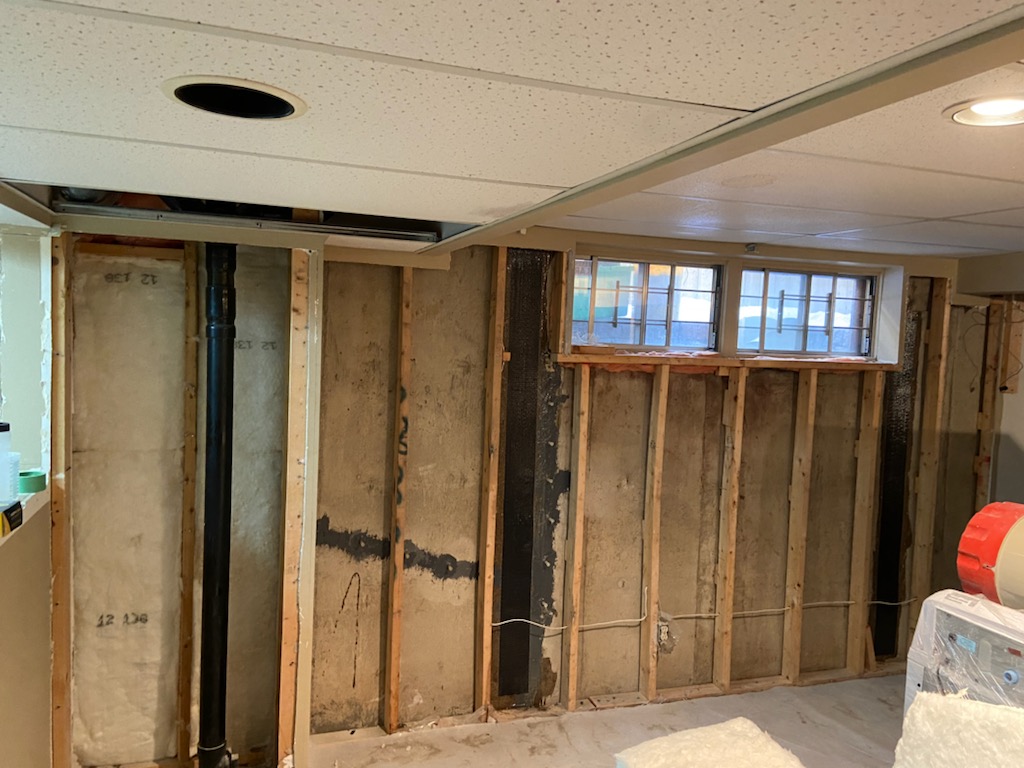
If drywall covers the affected area, carefully exposing the foundation wall may help identify the source of the problem. Knowing where the crack or moisture entry point is located allows a contractor to evaluate the repair more efficiently.
Step 3: Inspect Basement Windows and Window Wells
Basement windows are common areas where foundation cracks can develop.
Check for:
- Cracks extending from window corners.
- Water stains around the window frame.
- Damaged window wells.
- Poor drainage near window openings.
Cracks from basement window corners often extend diagonally because the opening creates additional stress on the surrounding foundation wall.
Step 4: Check the Basement Floor and Wall Connection
If you cannot find visible cracks on the exterior or interior walls, inspect where the basement wall meets the floor slab.
Water can sometimes enter through this joint due to hydrostatic pressure. This is especially common during heavy rainfall or periods when groundwater levels rise.
Signs to look for include:
- Moisture along the bottom edge of basement walls.
- Water pooling near the foundation wall.
- Damp concrete joints.
- Recurring basement leaks after rain.
Step 5: Take Clear Photos Before Contacting a Contractor
Photos are one of the most helpful tools during a foundation repair assessment.
Take pictures of:
- Exterior foundation cracks.
- Parging damage.
- Basement window corners.
- Interior foundation cracks.
- Water stains or moisture areas.
- Basement floor and wall joints.
Clear photos allow contractors to better understand the issue before scheduling the next steps.
Common Foundation Problems Homeowners Should Not Ignore
Some signs may indicate that a professional assessment is needed, including:
Foundation Cracks
Not all cracks are the same. Their size, location, direction, and whether they allow water entry can help determine the appropriate repair method.
Basement Water Leaks
Recurring basement leaks may indicate problems with waterproofing, drainage, foundation cracks, or water pressure around the home.
Damp or Musty Basement Areas
Persistent moisture can contribute to mould growth, damaged finishes, and reduced indoor air quality if the source is not addressed.
Cracks Around Basement Windows
Window-related cracks are common entry points for water and should be assessed before they lead to larger problems.
What Information Should You Provide to a Foundation Repair Company?
When contacting a contractor, having the following information ready can speed up the assessment process:
- Your property address.
- When you first noticed the problem.
- Whether the issue occurs during rain or snow melt.
- Photos of the affected areas.
- Details about previous repairs or waterproofing work.
The more information you provide, the easier it is for a foundation repair specialist to recommend the right solution.
Why Choose AGCS for Foundation Repair Assessment?
At Above Grade Construction Services, we understand that every foundation issue is different. Our team evaluates each situation individually to determine whether interior or exterior waterproofing, foundation crack repair, or another solution is the best approach.
A proper assessment helps homeowners avoid unnecessary repairs and ensures the recommended solution addresses the actual cause of the problem.
If you have noticed foundation cracks, basement moisture, or water entering your home, complete our Foundation Repair Assessment Form and provide photos of the affected area. Our team will review your information and help determine the next steps.
Final Thoughts
A foundation repair assessment gives homeowners valuable information before committing to repairs. By checking your exterior foundation, basement walls, windows, and moisture areas, you can provide contractors with the details they need to understand your situation.
Identifying foundation problems early can help prevent further damage and protect the long-term value of your home.